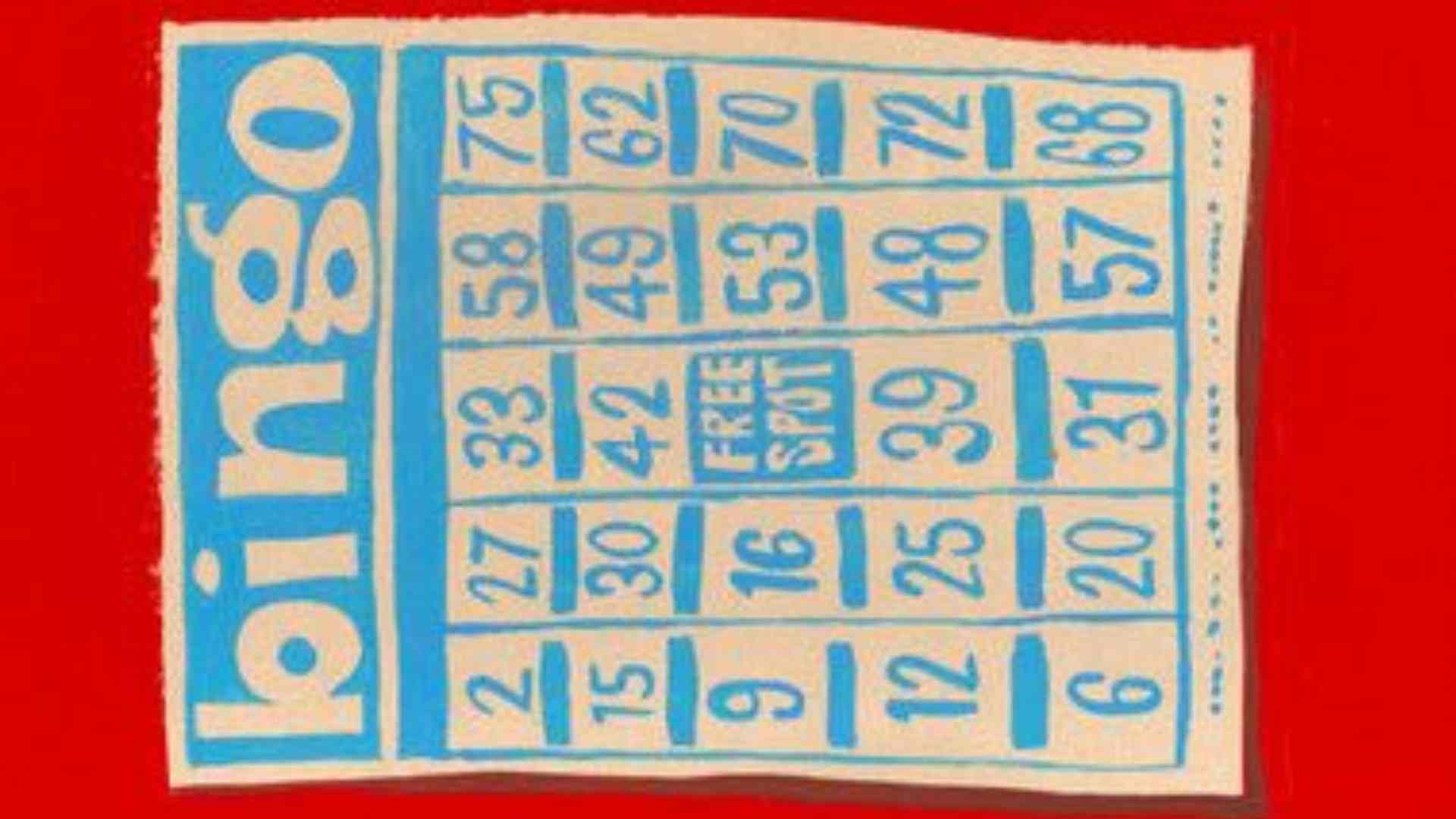
The enduring popularity of classic tabletop games lies in their intricate design, which consistently favors strategic depth over simple fortune. While casual observers might view card distributions as entirely random, seasoned players recognize that historical table formats were engineered to reward deep environmental awareness. Exploring how these traditional systems operate reveals why structured knowledge remains the ultimate asset for navigating uncertainty across different eras.
The Mathematical Foundation of Classic Decks
Beneath the physical textures and illustrations of a standard deck lies a rigorous mathematical framework that governs every round. Historic card games utilize fixed card numbers and point systems to create predictable probability distributions that alert players can track. This structural design ensures that every discarded card alters the remaining options, shifting the tactical landscape in real time.
By evaluating these micro-adjustments, participants can transition from blind guessing to calculated anticipation. This analytical approach separates casual enthusiasts from veteran strategists who treat every deal as a dynamic logic puzzle. Over time, mastering these subtle numerical relationships builds a reliable baseline that minimizes reliance on pure luck.
How Spatial Awareness Influences Decision Making
The physical arrangement of a traditional card room was never a matter of mere aesthetics or random furniture placement. In historic European gaming salons, your exact seating position relative to the dealer directly dictated your access to crucial operational data. Players sitting further down the line could observe the actions and card requests of their opponents before committing any resources.
This structural timing allowed individuals to mitigate financial vulnerability by reading the table environment accurately. Modern enthusiasts looking to apply strategic discipline to contemporary platforms can explore various options via m88 sport to find highly engaging competitive layouts. Understanding how position influences risk management remains essential for maximizing your tactical choices on both physical and digital tables.
The Strategic Burden of Distributed Risk
In the earliest variations of classic games like baccarat, operational and financial responsibilities were shared dynamically among the participants. Rather than wagering against a corporate banking house with endless capital, individuals took turns managing the table funds directly. This fluid distribution of accountability completely transformed the psychological atmosphere from a solitary pursuit into an intense social contest.
Taking responsibility for the bank required strict emotional control and an acute awareness of your opponents behavior. Strategists could not rely on formulaic systems because the human choices made around the table constantly modified the level of exposure. This traditional framework highlighted personal agency, making comprehensive game comprehension far more valuable than short-term pattern chasing.
The Long Term Value of Operational Knowledge
The transition of historic pastimes into automated digital formats has streamlined game speed but preserved the foundational rules of probability. While contemporary interfaces automatically calculate scores and display outcomes instantly, the core tension of evaluating hand totals remains unchanged. True competence develops when a player understands the underlying logic of third-card rules and drawing conditions without relying on software shortcuts.
This deep mechanical awareness allows enthusiasts to appreciate the historical evolution of global leisure activities while sharpening their analytical skills. Recognizing that classic games were built around participation reminds us that structural knowledge outlasts superficial trends. Ultimately, uncovering these ancient rule variations offers a timeless blueprint for transforming unpredictable chance into a structured contest of skill.