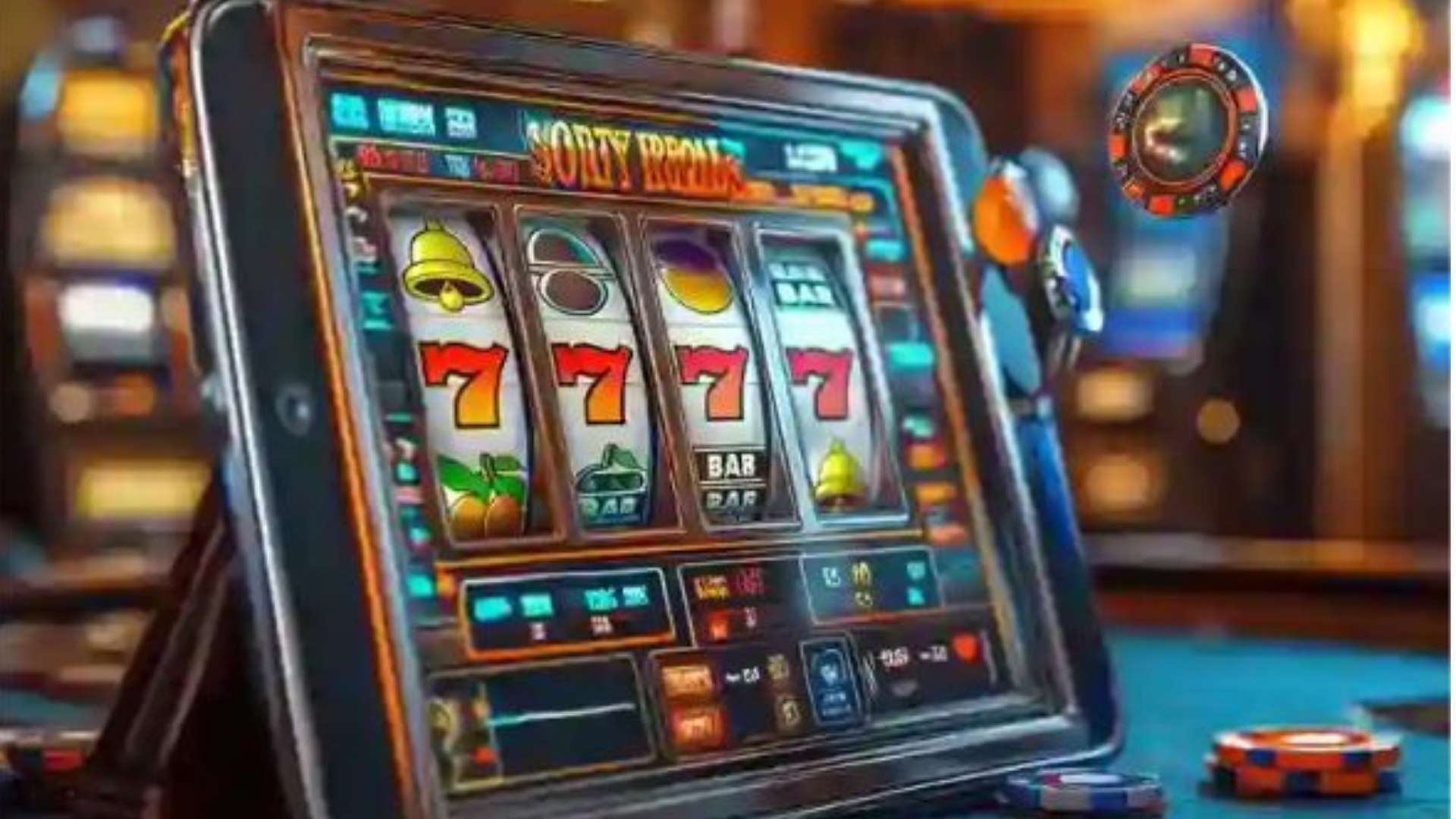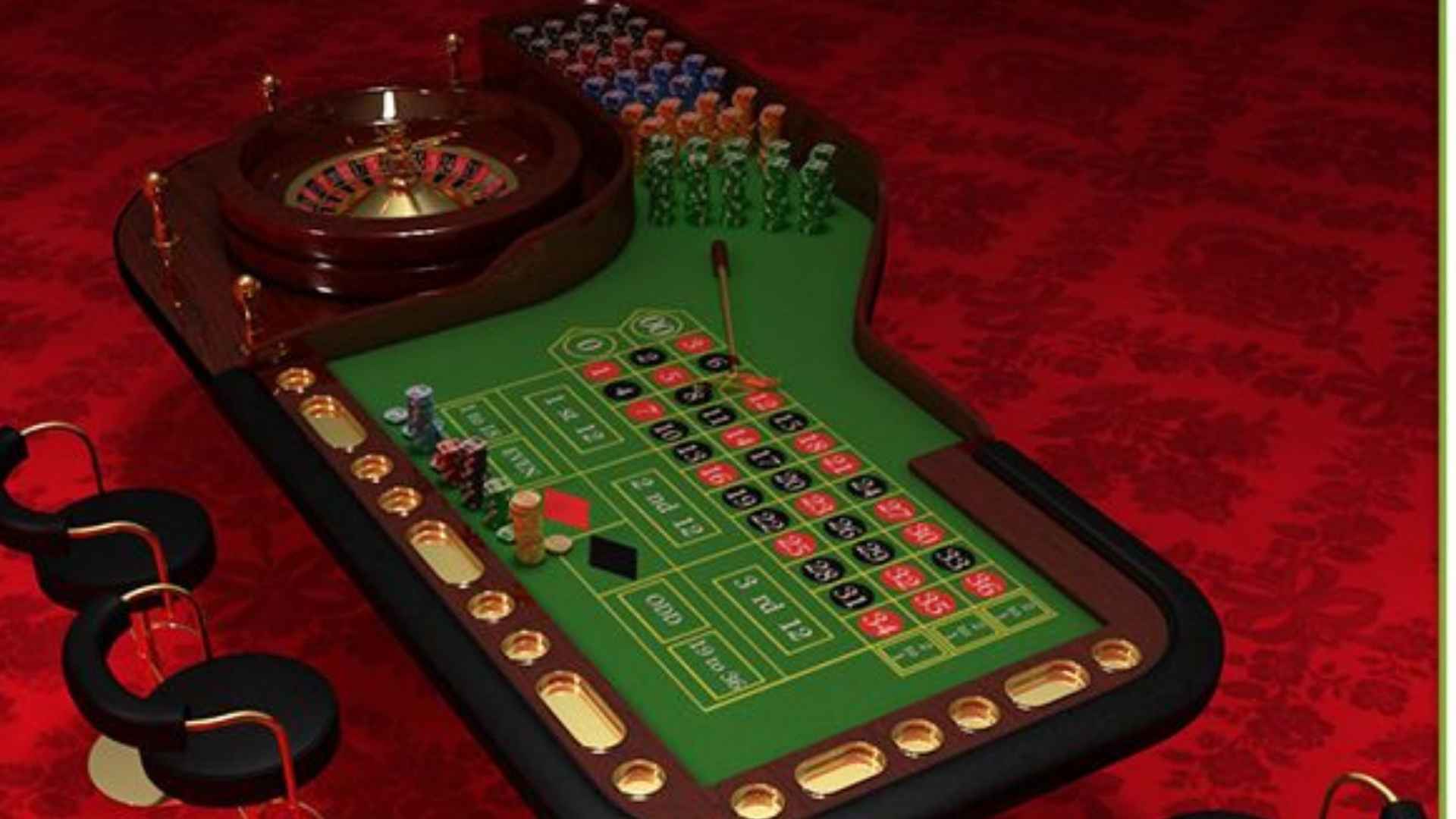
Digital wheel games have transitioned from simple, colorless mechanics into visually captivating entertainment hubs across the online landscape. Modern developers heavily rely on diverse conceptual backdrops to turn an ordinary random event into an immersive multimedia journey. By integrating storytelling elements and distinctive aesthetics, these platforms succeed in capturing public interest and sustaining community engagement over long periods.
The Dynamic Influence of Modern Character Design
Integrating unique personalities and stylized figures onto the segments of a prize wheel remains one of the most effective strategies to build audience interaction. Players do not just chase mathematical points or abstract gifts; they engage with visual narratives that unfold with every turn. This creative integration allows the graphic interface to establish an emotional connection, making each round feel like a separate chapter of a larger adventure.
Furthermore, these colorful mascots help establish consistency across multi-tiered game platforms, helping users navigate diverse rule sets effortlessly. When casual enthusiasts access specialized networks via an established m88 slot login, they often encounter familiar thematic characters that make new mechanics instantly approachable. This structural familiarity reduces cognitive friction, guiding participants seamlessly into a comfortable and highly secure interactive space.
Nostalgic Aesthetics and Cyber Realism
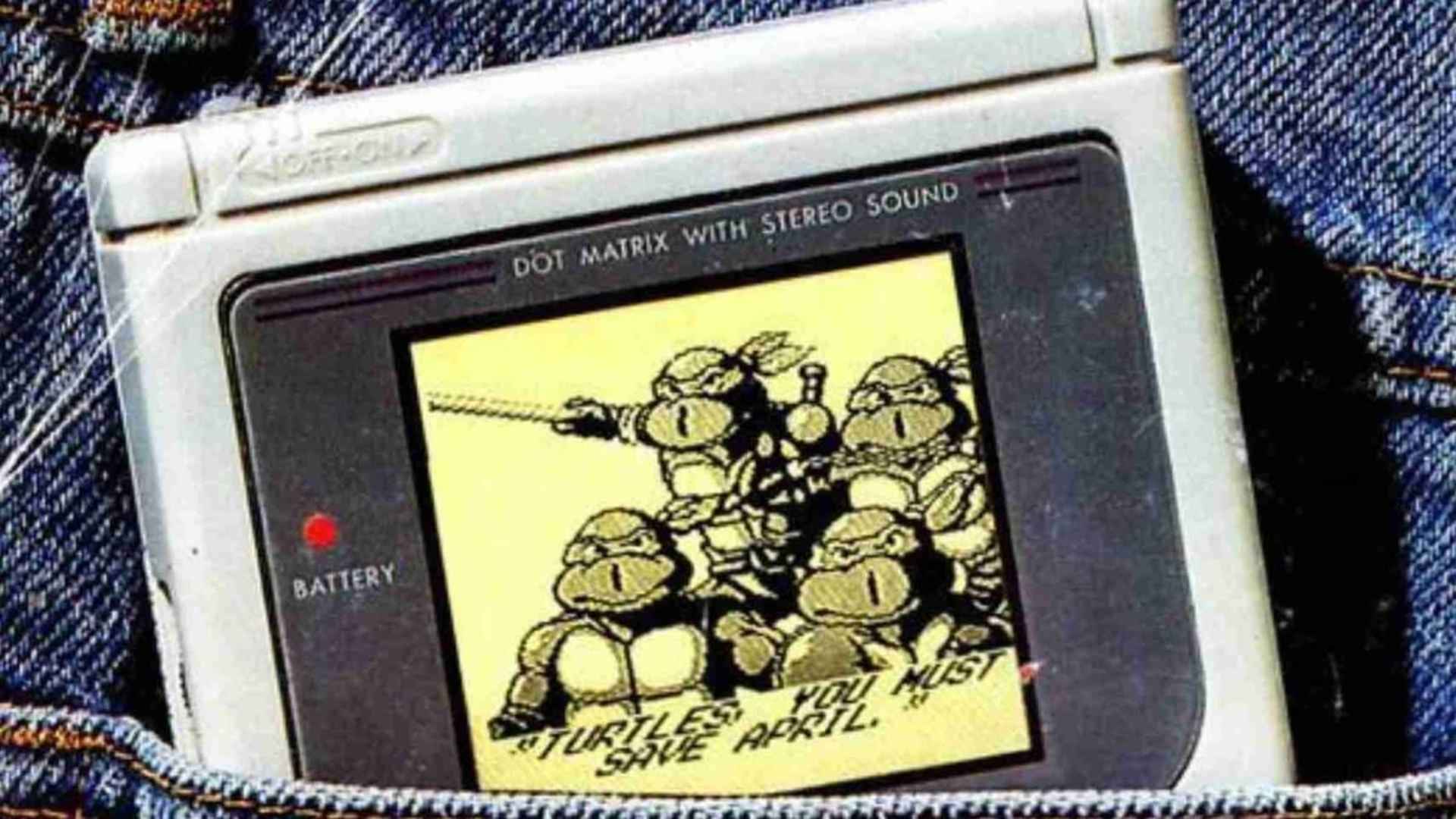
Another major trend reshaping digital wheel layouts is the deliberate revival of specific cultural eras, ranging from early computing aesthetics to neon-drenched retro landscapes. Styles such as the bright, optimistic Frutiger Aero or the rebellious energy of the late nineties offer a comforting familiarity that resonates strongly across multiple generations. By wrapping randomized calculations in nostalgic color palettes, creators evoke positive emotional responses that transcend simple gameplay.
On the other hand, the introduction of hyper-realistic shading and three-dimensional modeling tools brings a sensory depth that simulates physical friction on flat mobile screens. Modern vectors allow boundaries to look highly tactile, intensifying the visual anticipation as a rotating wheel slows down near a major milestone. This perfect marriage of classic nostalgia and cutting-edge presentation transforms routine casual gaming into a sophisticated digital art gallery.
Experiential Rewards and Immersive Environments
Modern prize wheel engines are moving far beyond traditional tangible handouts by offering customized virtual assets that serve a deeper purpose in digital communities. Slices on a contemporary interface regularly feature exclusive profile enhancements, digital collectables, or personalized layout upgrades that players can proudly showcase in social networks. This subtle design choice satisfies the human desire for self-expression and individual identity within online groups.
By prioritizing artistic value and functional diversity, operators ensure that common outcomes remain highly rewarding even if a participant misses the grand jackpot. True structural success rests on creating balanced environments where every single mechanical action provides genuine entertainment value. As technology continuously evolves, creative thematic architecture will undoubtedly remain the primary catalyst driving interactive immersion forward.